Kevin Taitz
- Prompt Design
- Product Design
- Senior Consultant
From the first conversation to working software.
The way I work hasn’t changed in 20 years. The tools have. Every project still starts with people and ends with something real they can use.
-
Discover
Talk to people first.
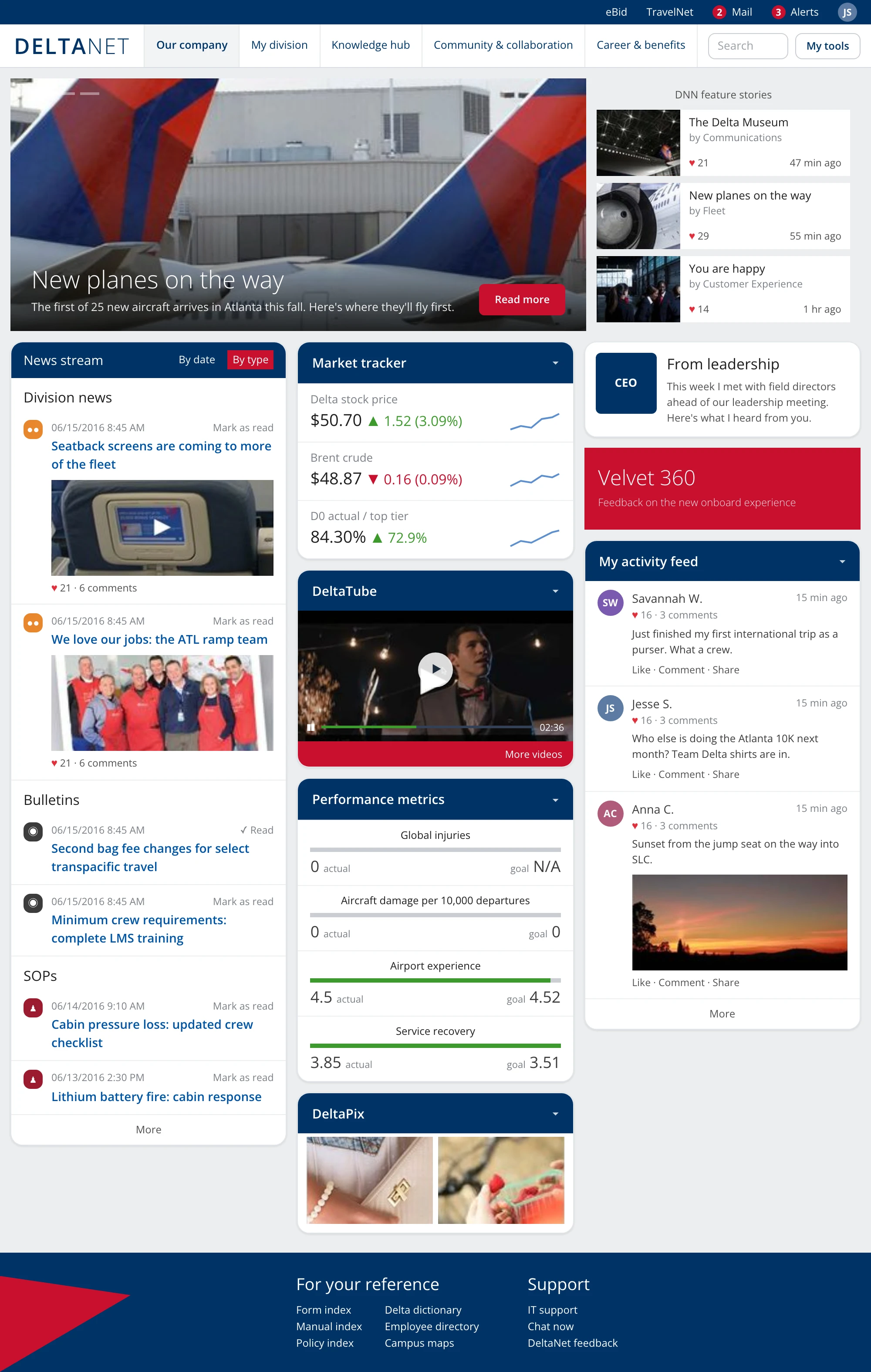
AlwaysInterviews with the people who use it and the people who pay for it, surveys, card sorts, and a close read of everything the client already has. At Delta that meant more than 40 stakeholder interviews before a single screen.
Now, with AIAI reads the pile with me: transcripts, old files, the client’s own documents. I walk into every conversation knowing what’s already been said.
- Claude
- Gemini
- Grok
-
Define
Write down the problem.
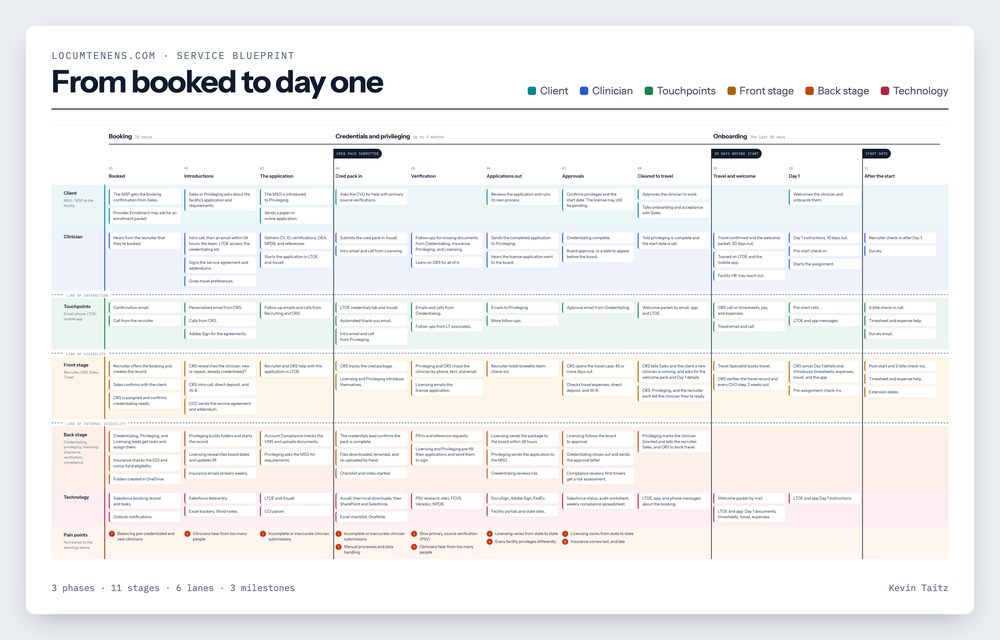
AlwaysJourney maps, personas, service blueprints, and an information architecture that decides what’s allowed to exist, not just where it goes.
Now, with AIThe same documents become the brief my AI agents work from: the rules, the decisions, and what done looks like.
- Claude
- Codex
-
Design
Go wide, then make it simpler.
AlwaysWireframes, clickable prototypes, comps, and design systems with every state drawn. The Coca-Cola compensation tool went through eight versions, and each one took something out.
Now, with AIClaude Design, Figma, and Midjourney let me try ten directions in the time one used to take. Every color and size lives in one set of tokens, so a redesign is a change, not a rebuild.
- Claude Design
- Figma
- Midjourney
- Gemini
-
Build
Make it real.
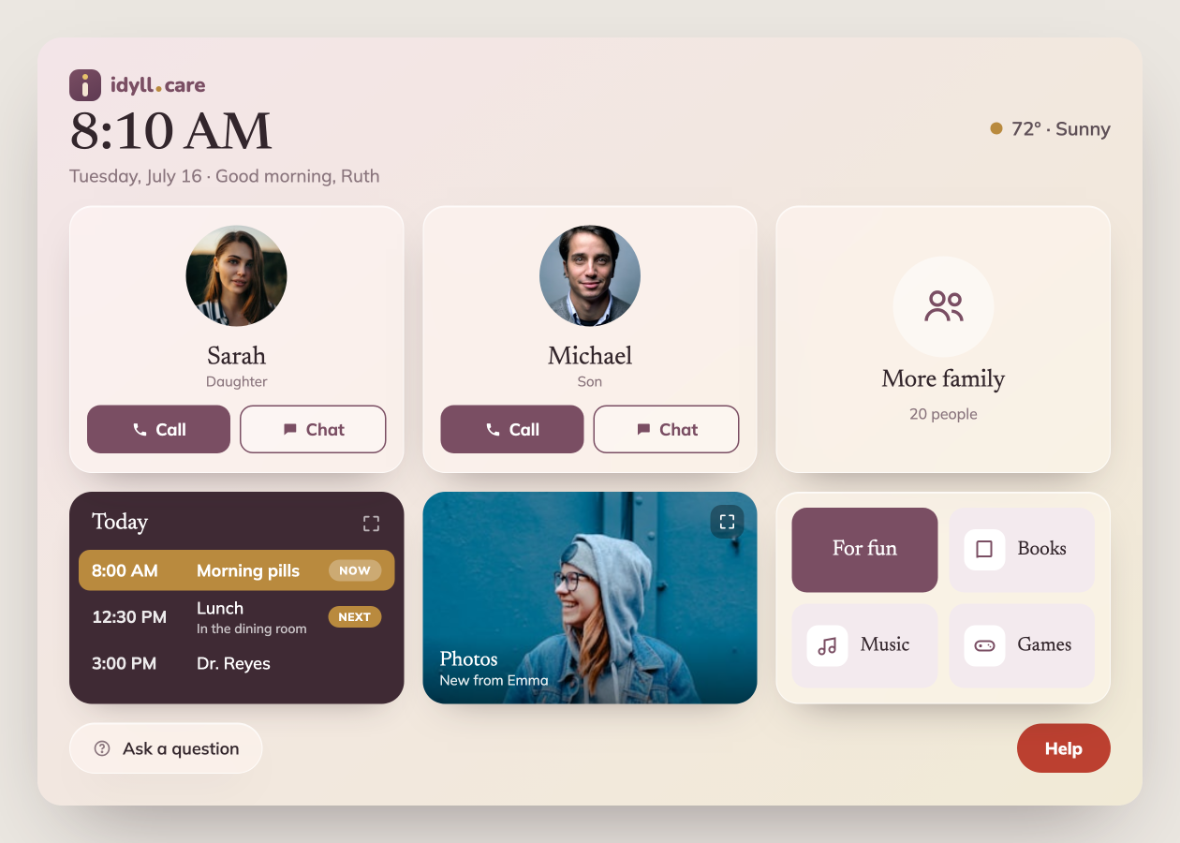
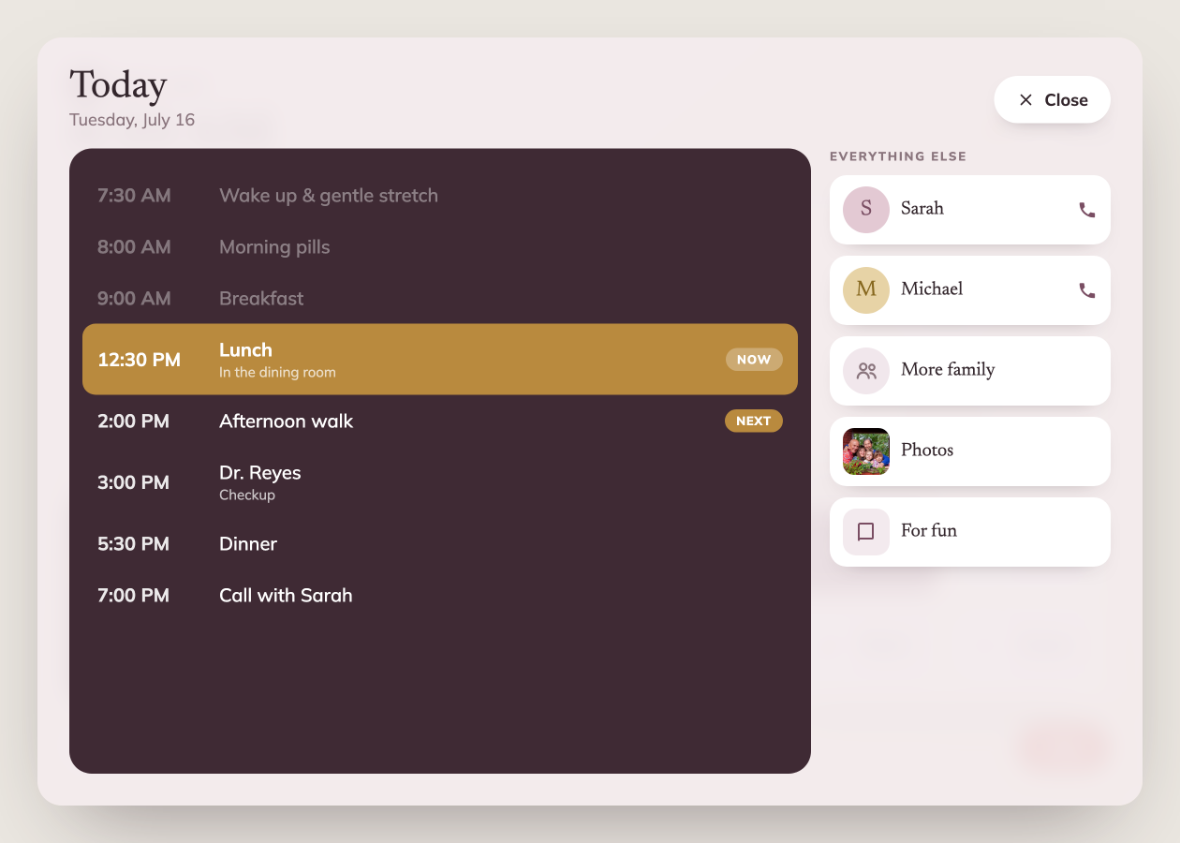
AlwaysPrototypes with real logic in them, so a stakeholder could walk into the error states on their own instead of hearing about them.
Now, with AII direct coding agents to build working software: web, iOS, voice, and the backend behind them. Every change gets reviewed before it merges.
- Claude Code
- Codex
- Cursor
- ElevenLabs
- Deepgram
-
Test
Prove it with people and real data.
AlwaysUsability sessions, and regular reviews that tie every decision back to what we heard.
Now, with AIAutomated checks run on every change, and I look at the real screen before I call anything done. A passing test isn’t proof on its own.
- Playwright
- Claude Code
-
Deliver
Hand off something that holds up.
AlwaysStyle guides, build guides, roadmaps, and training, so the work survives after I leave. DeltaNet shipped with a full UI style guide in 2015.
Now, with AIShip it, watch what happens, and keep a written record of every decision, so the next person, or the next agent, starts where I stopped.
- GitHub
- Vercel
- Supabase
- App Store
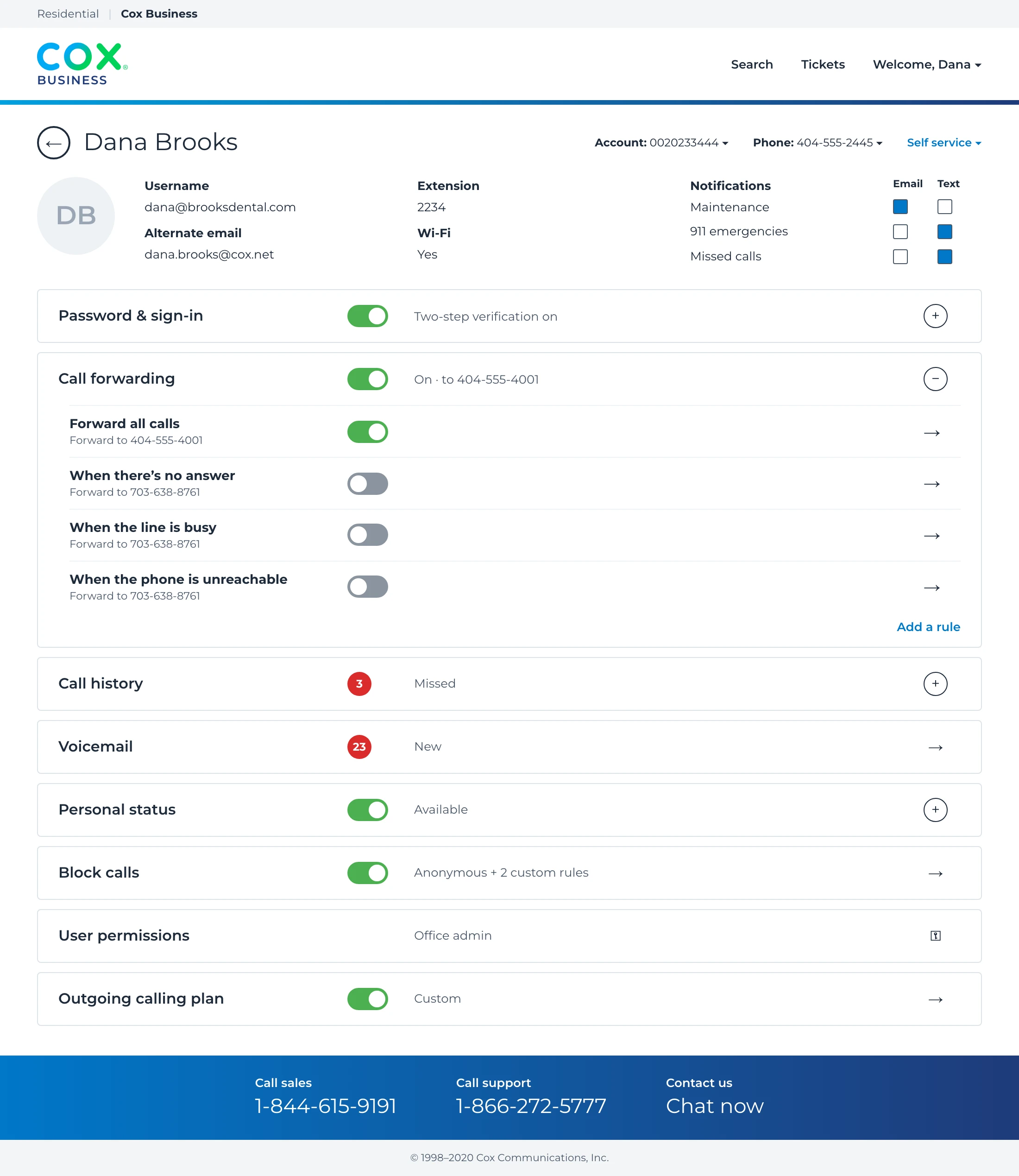
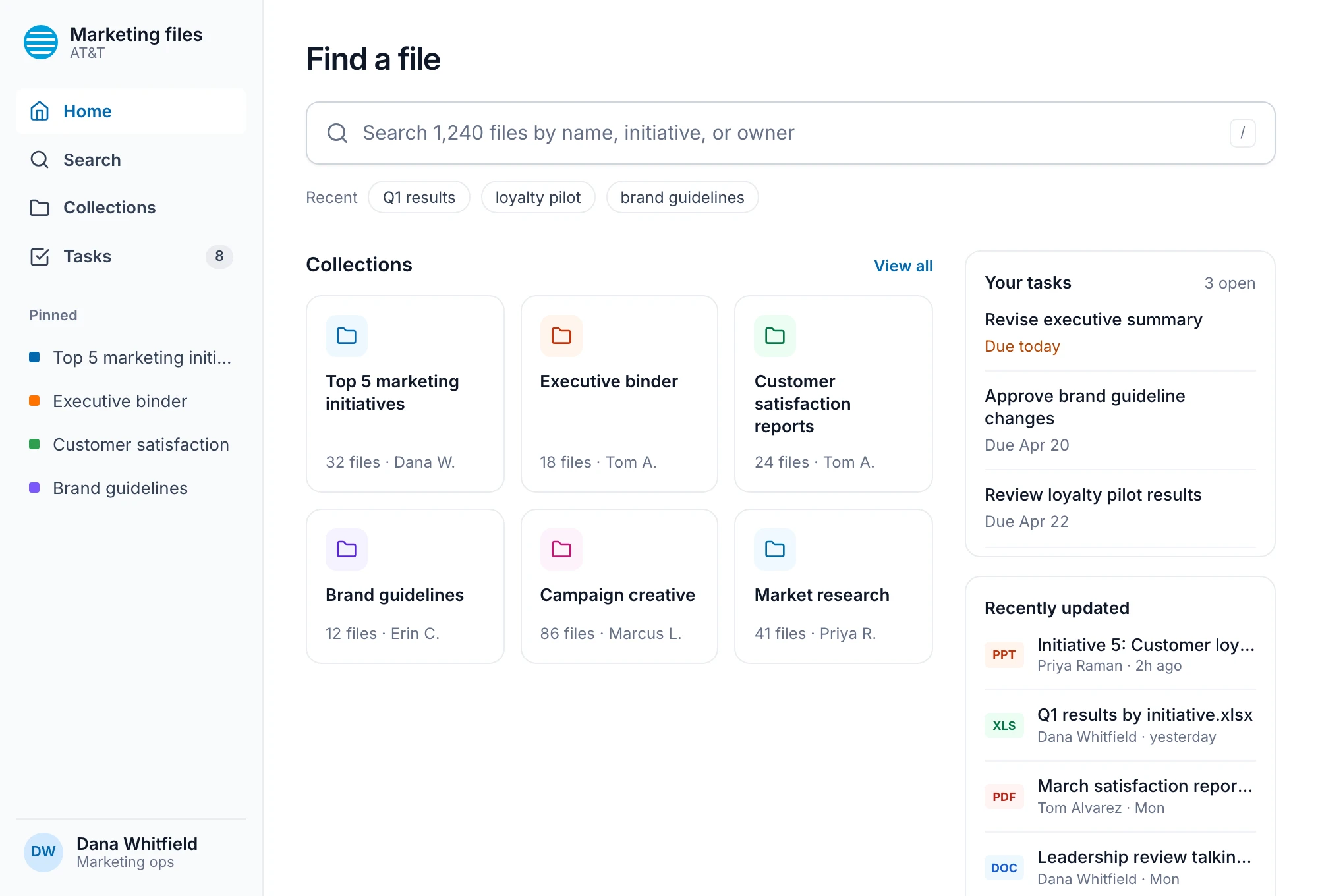
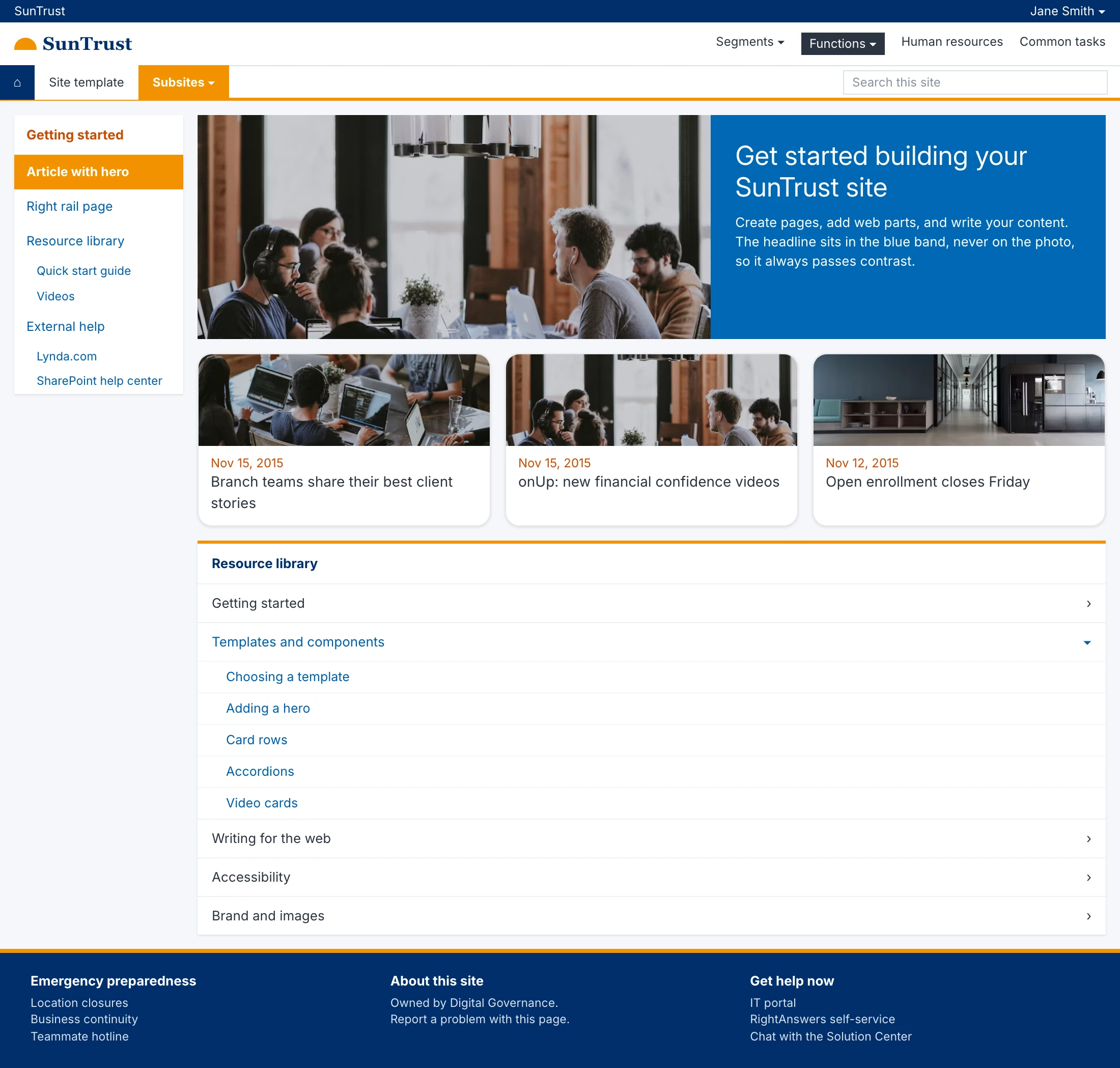
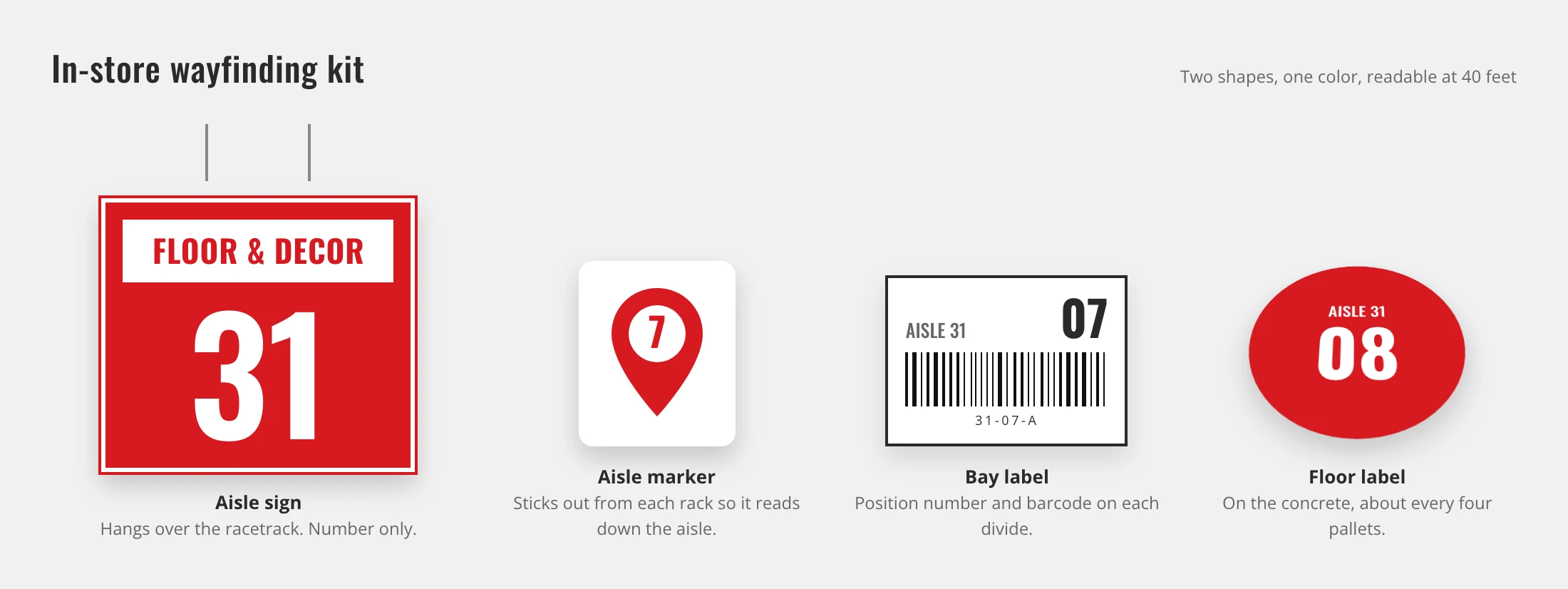
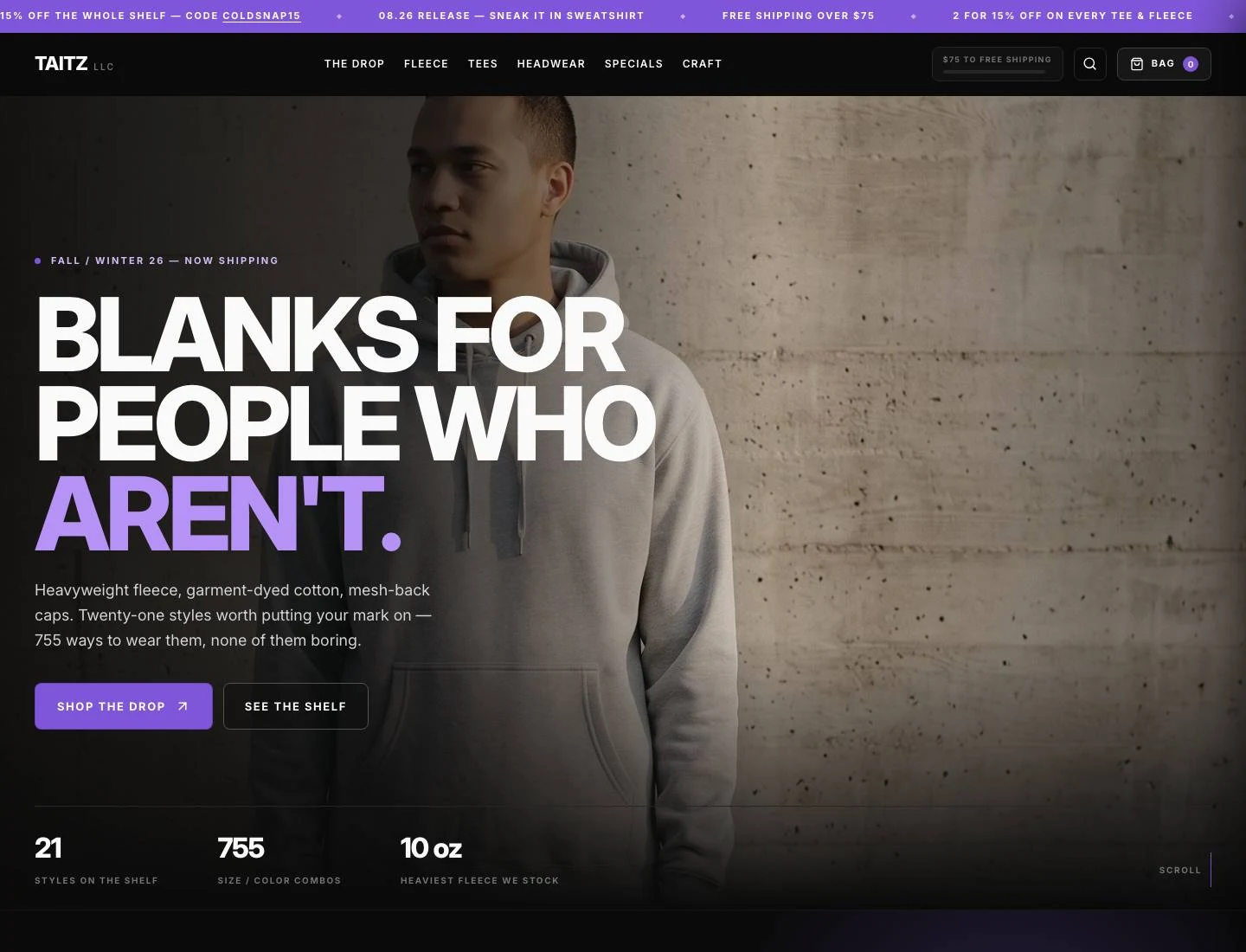
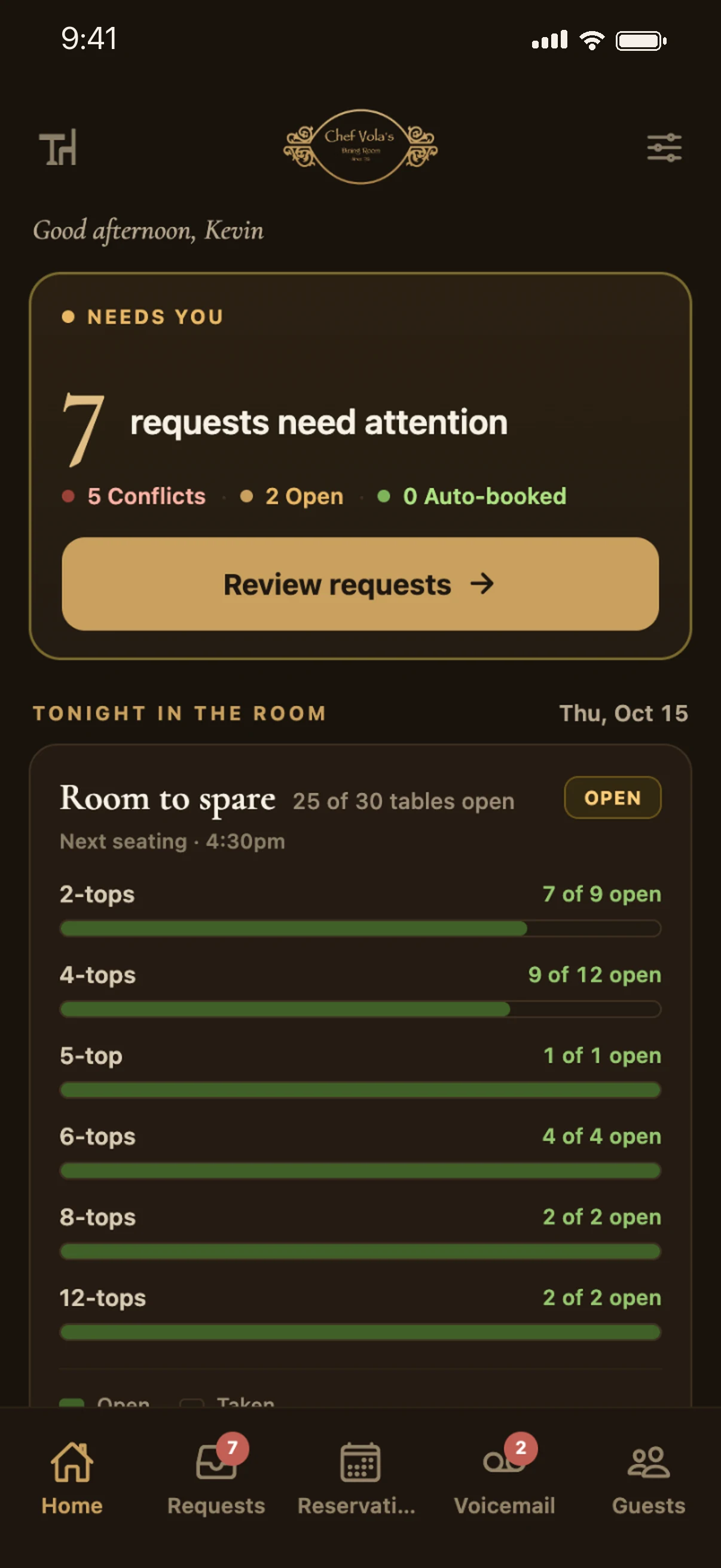
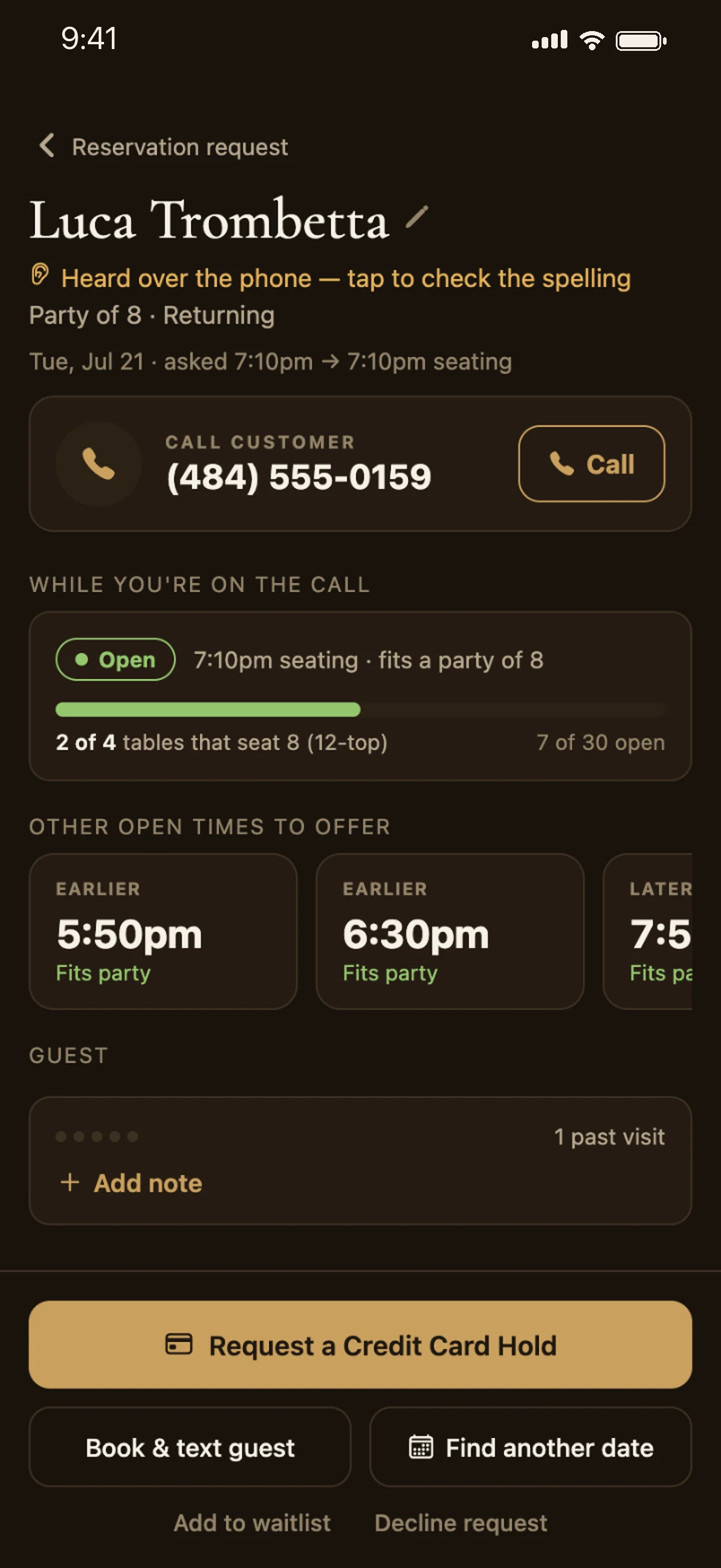
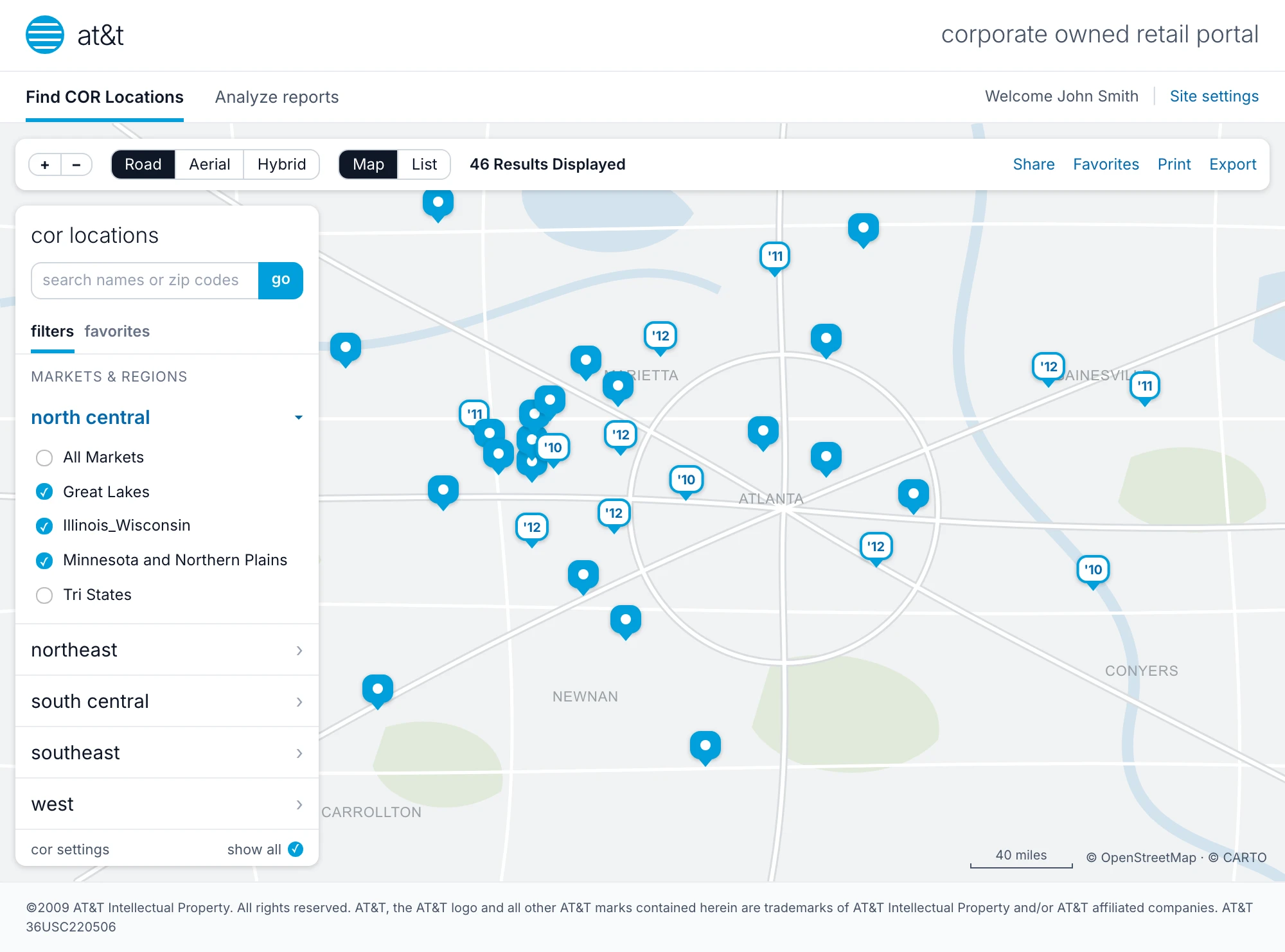
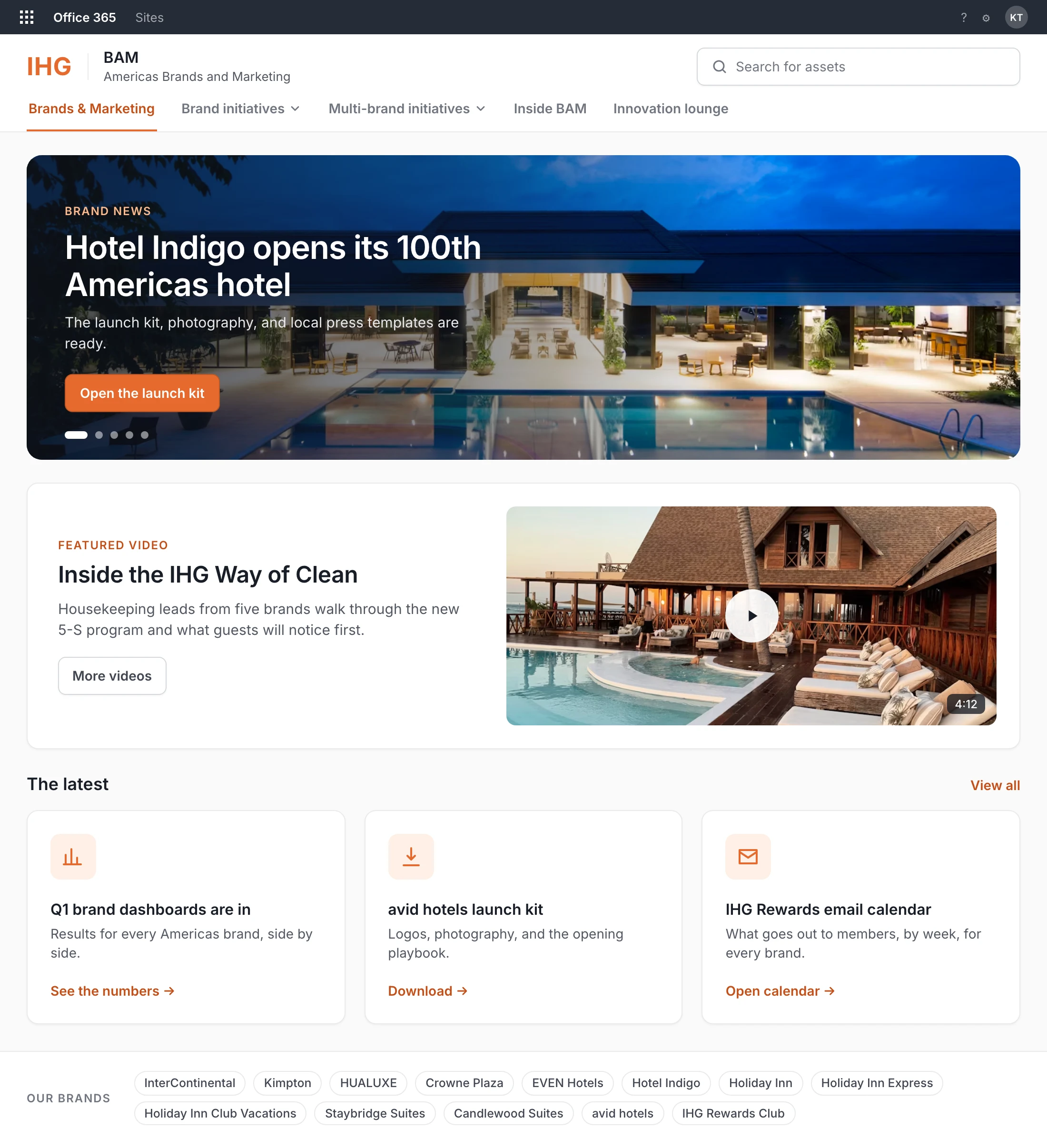
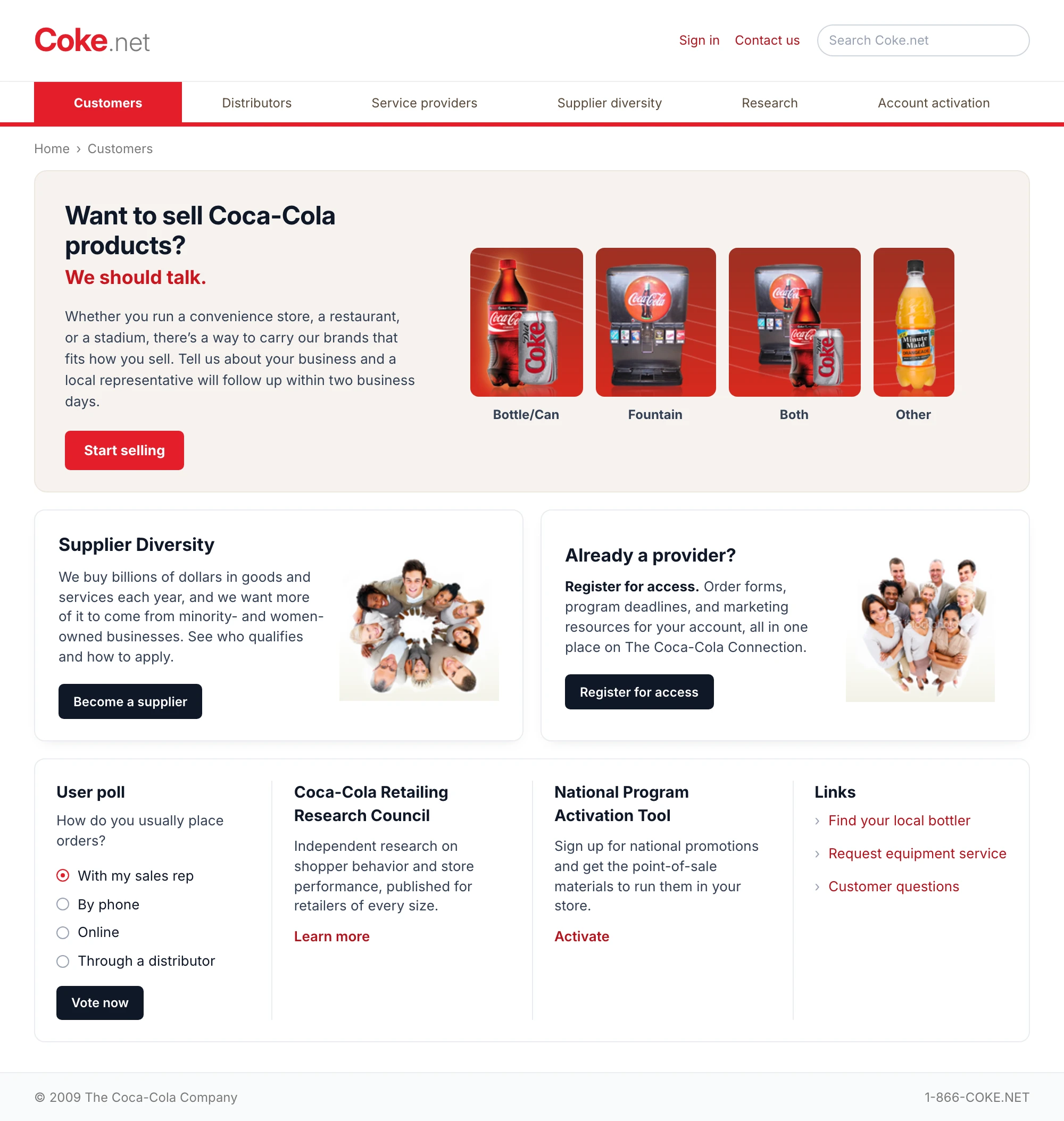
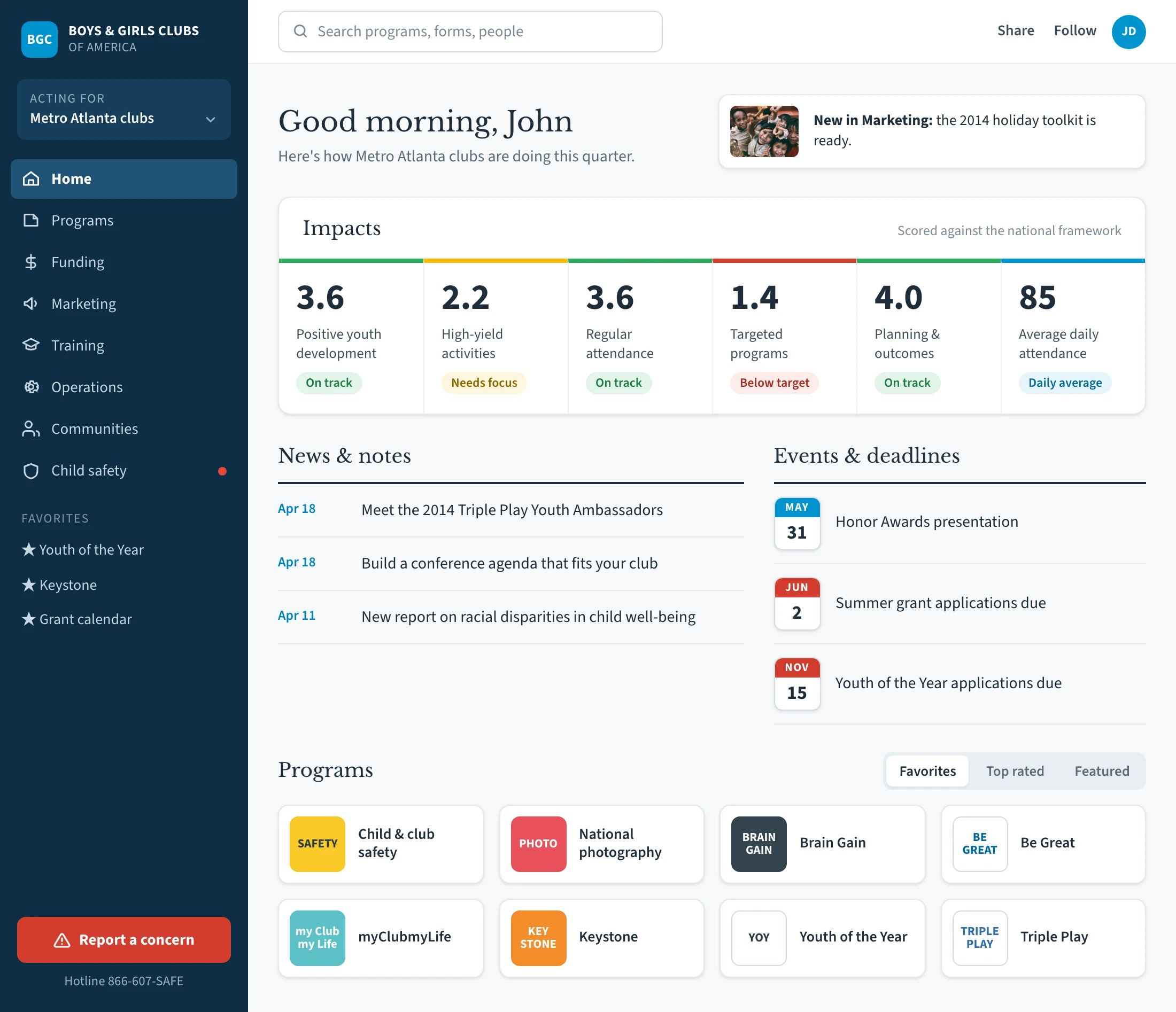
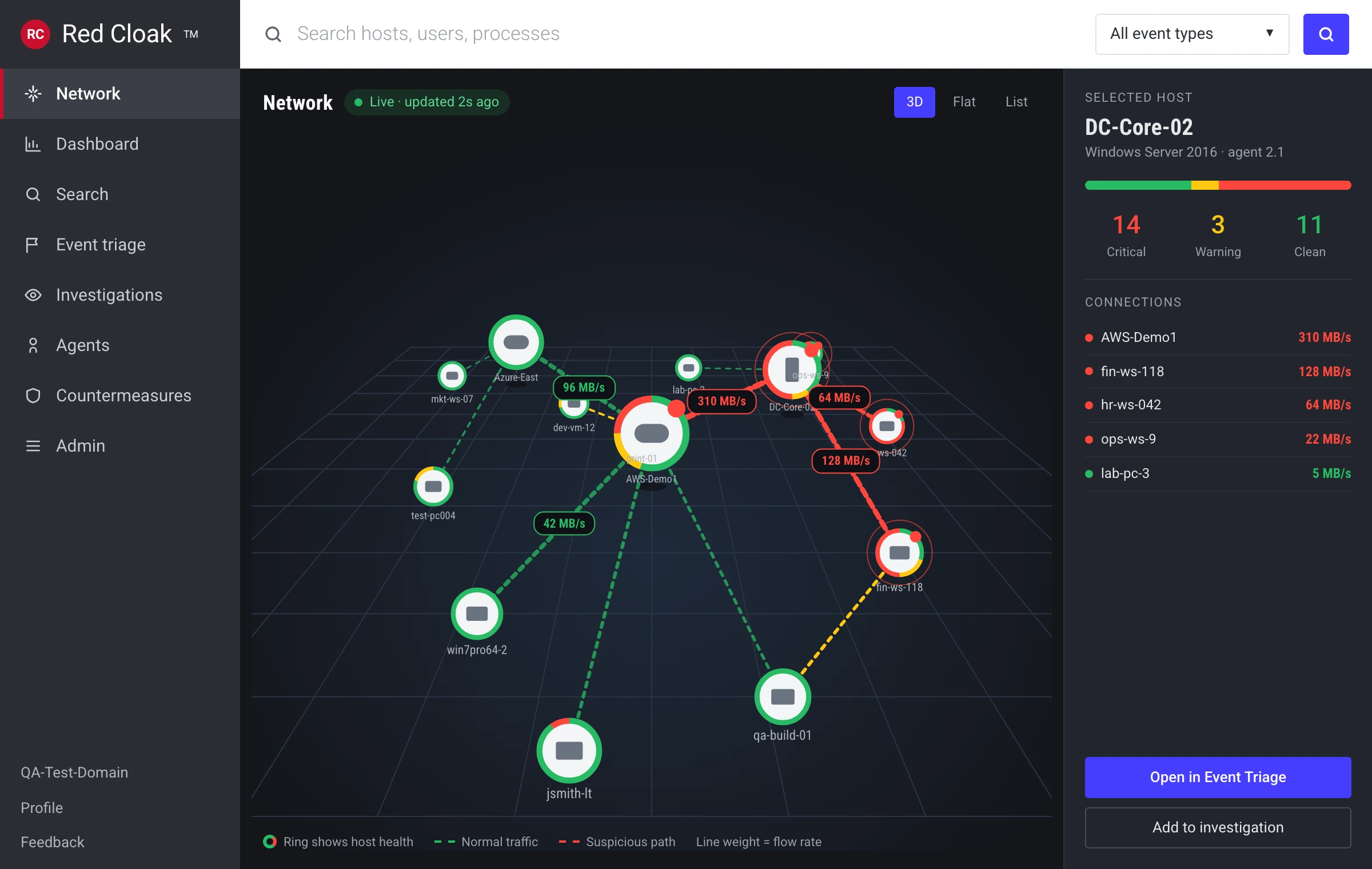
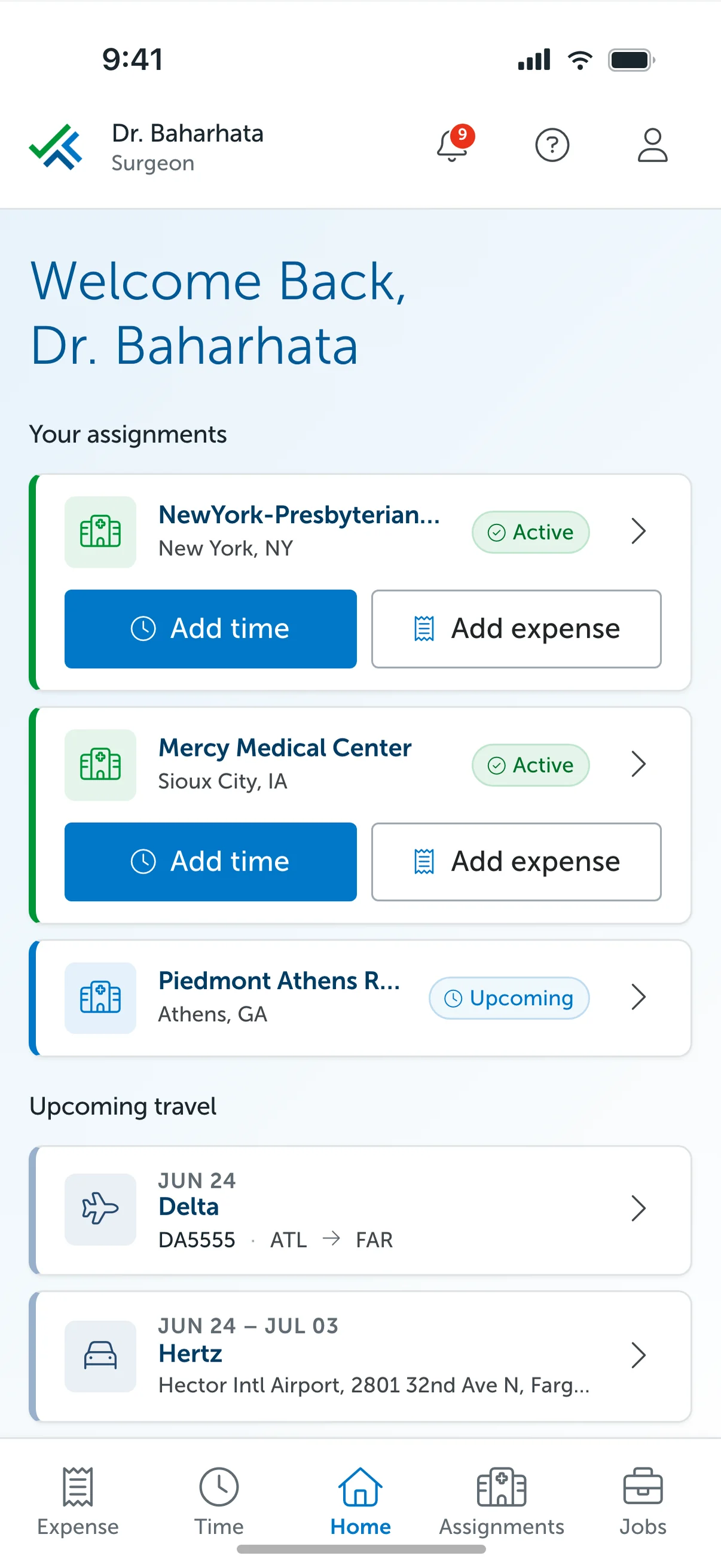
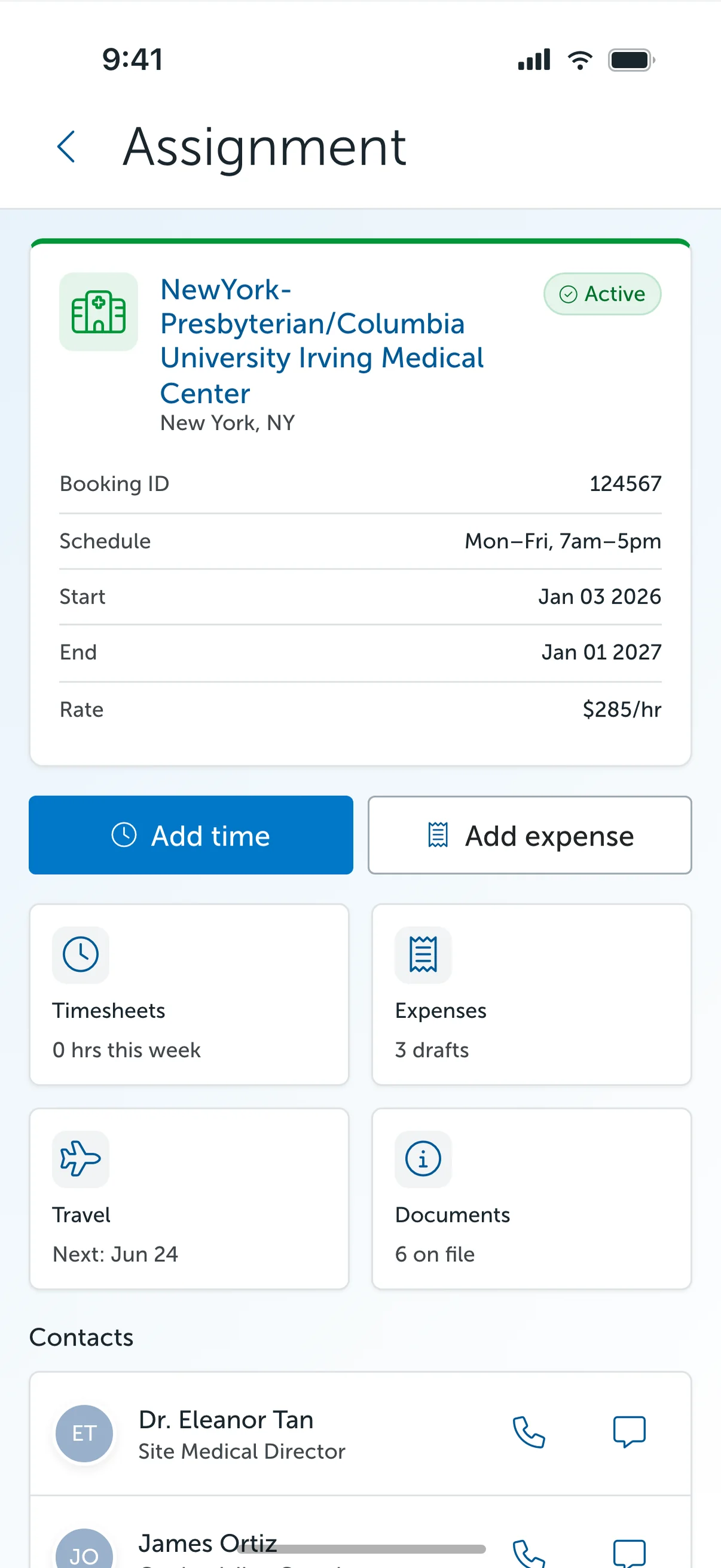
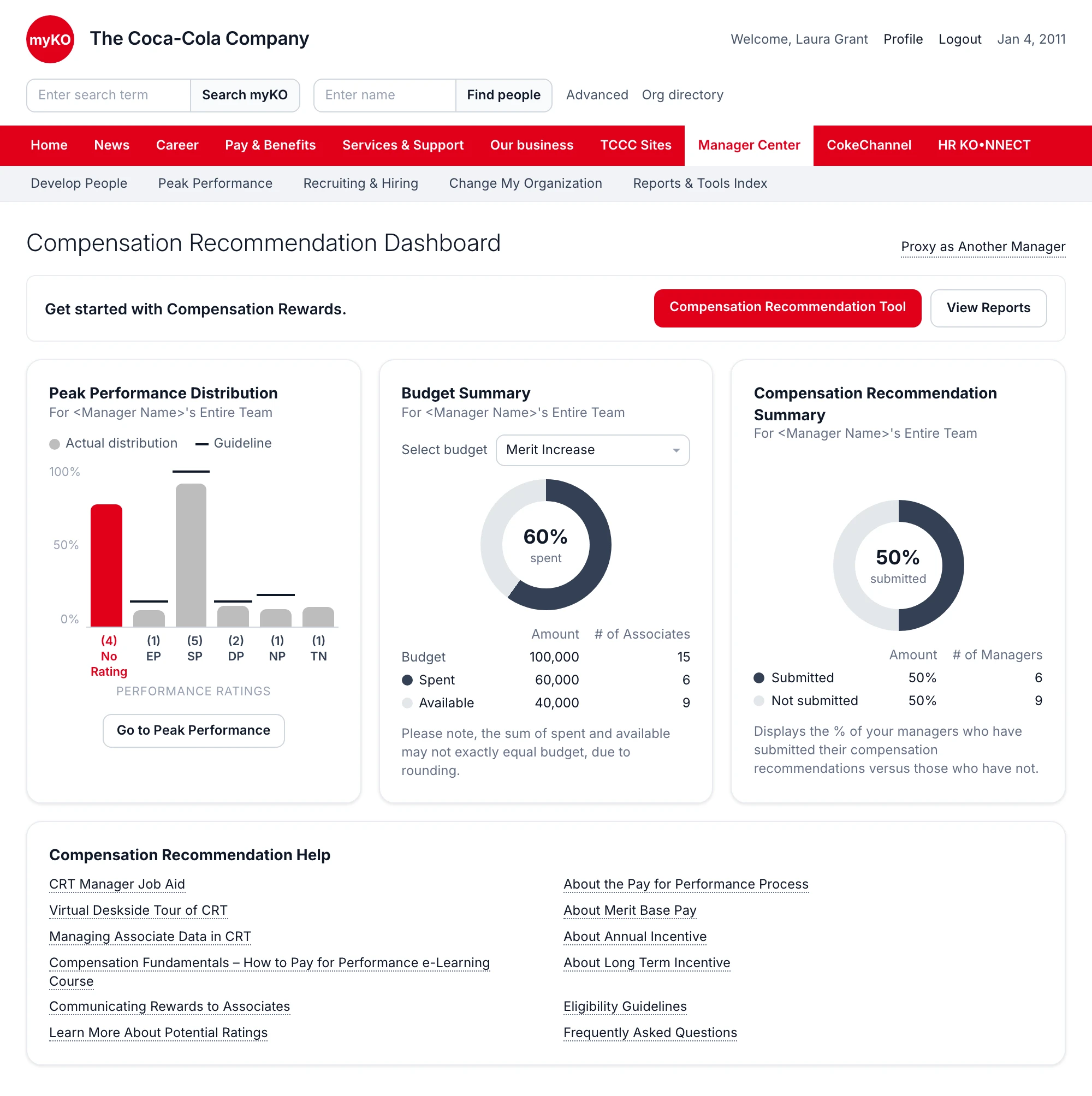
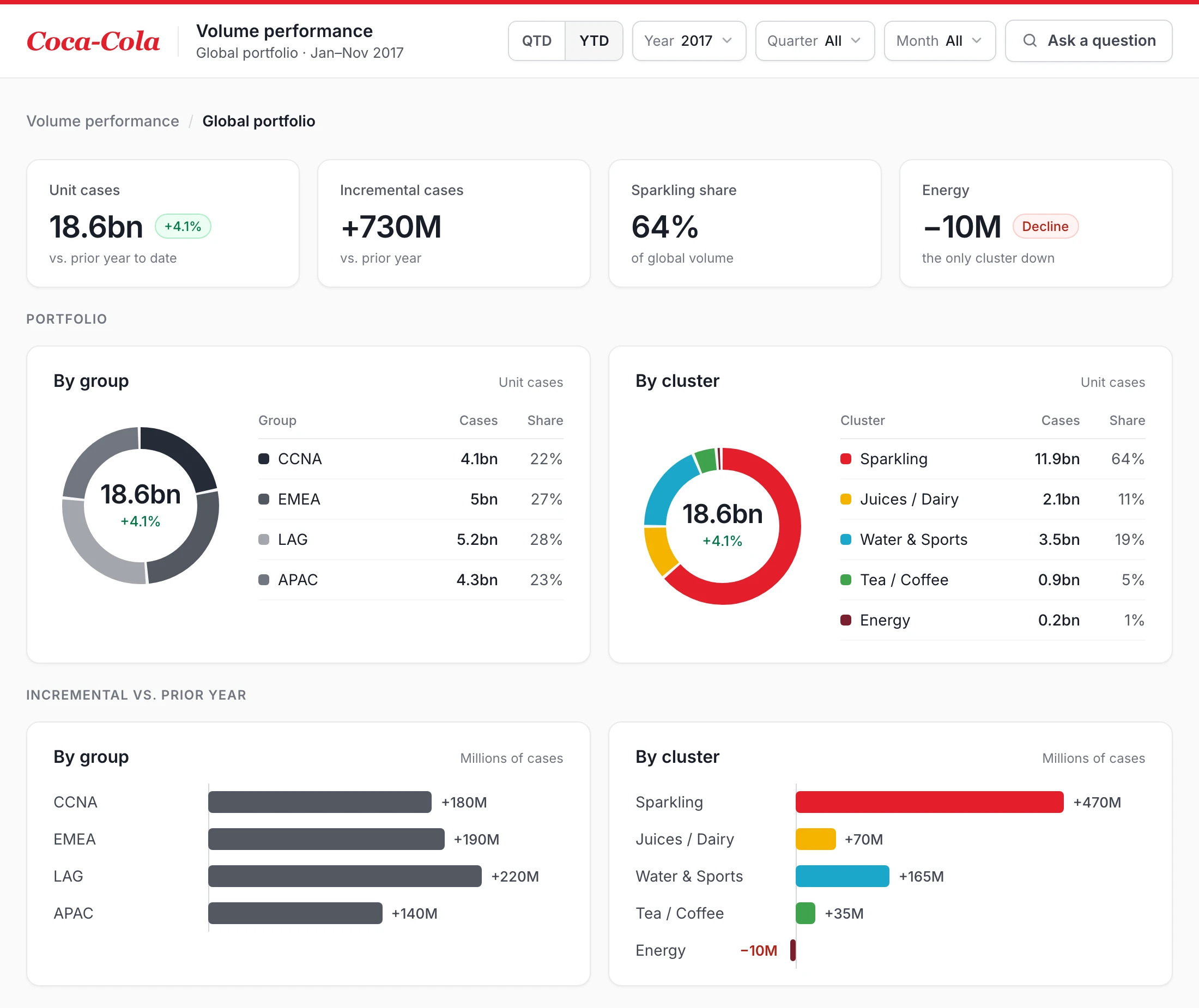
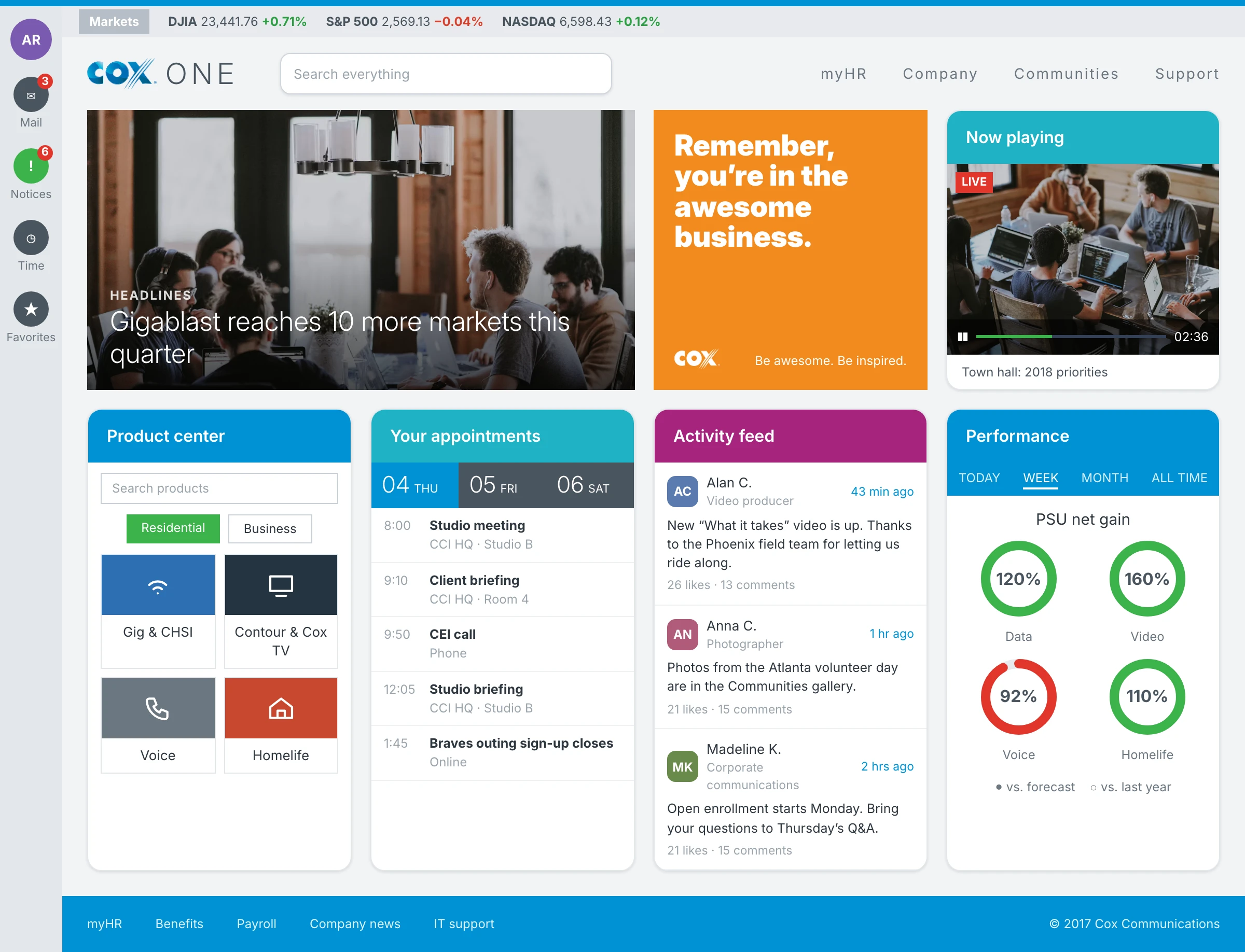
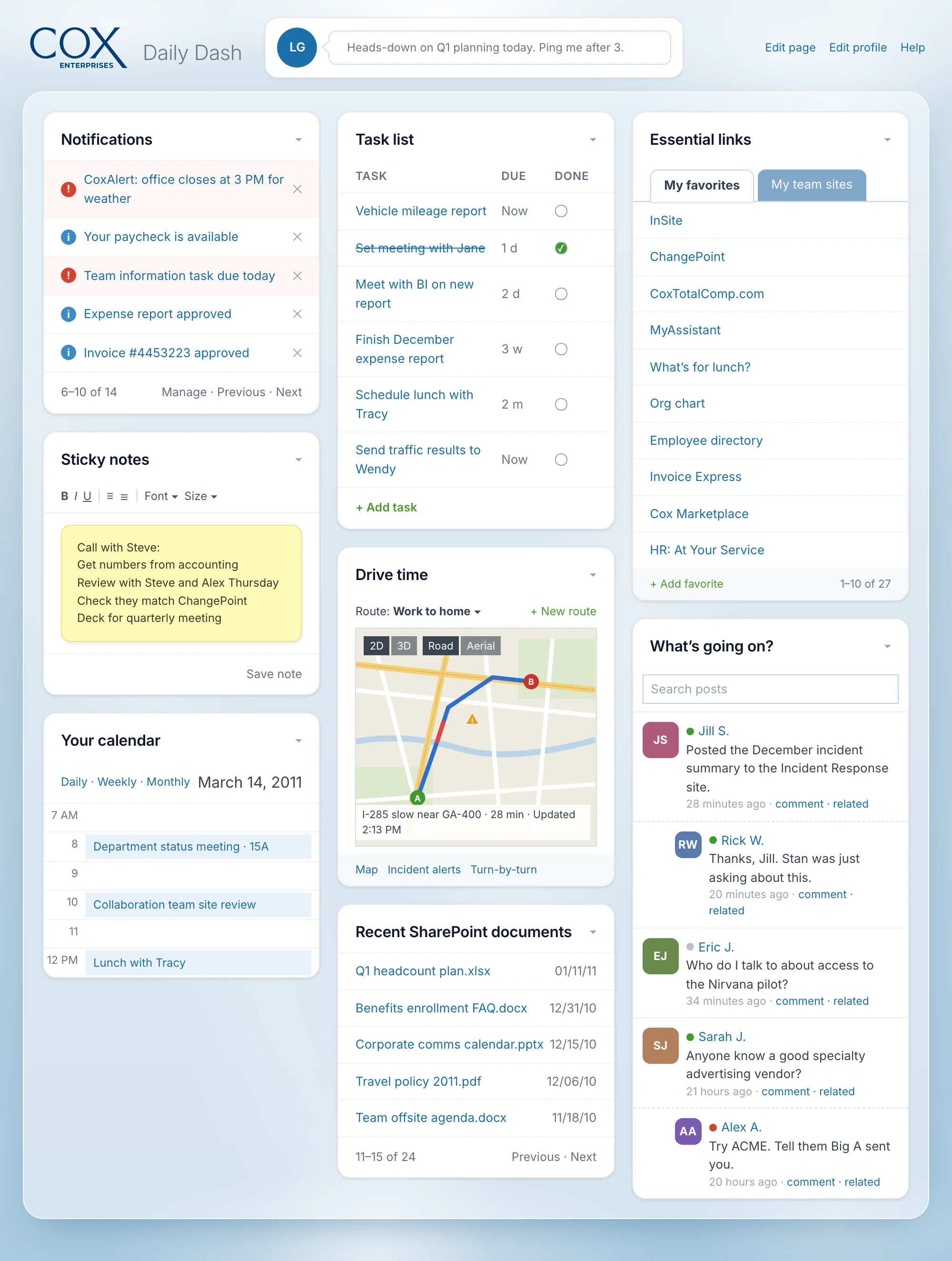
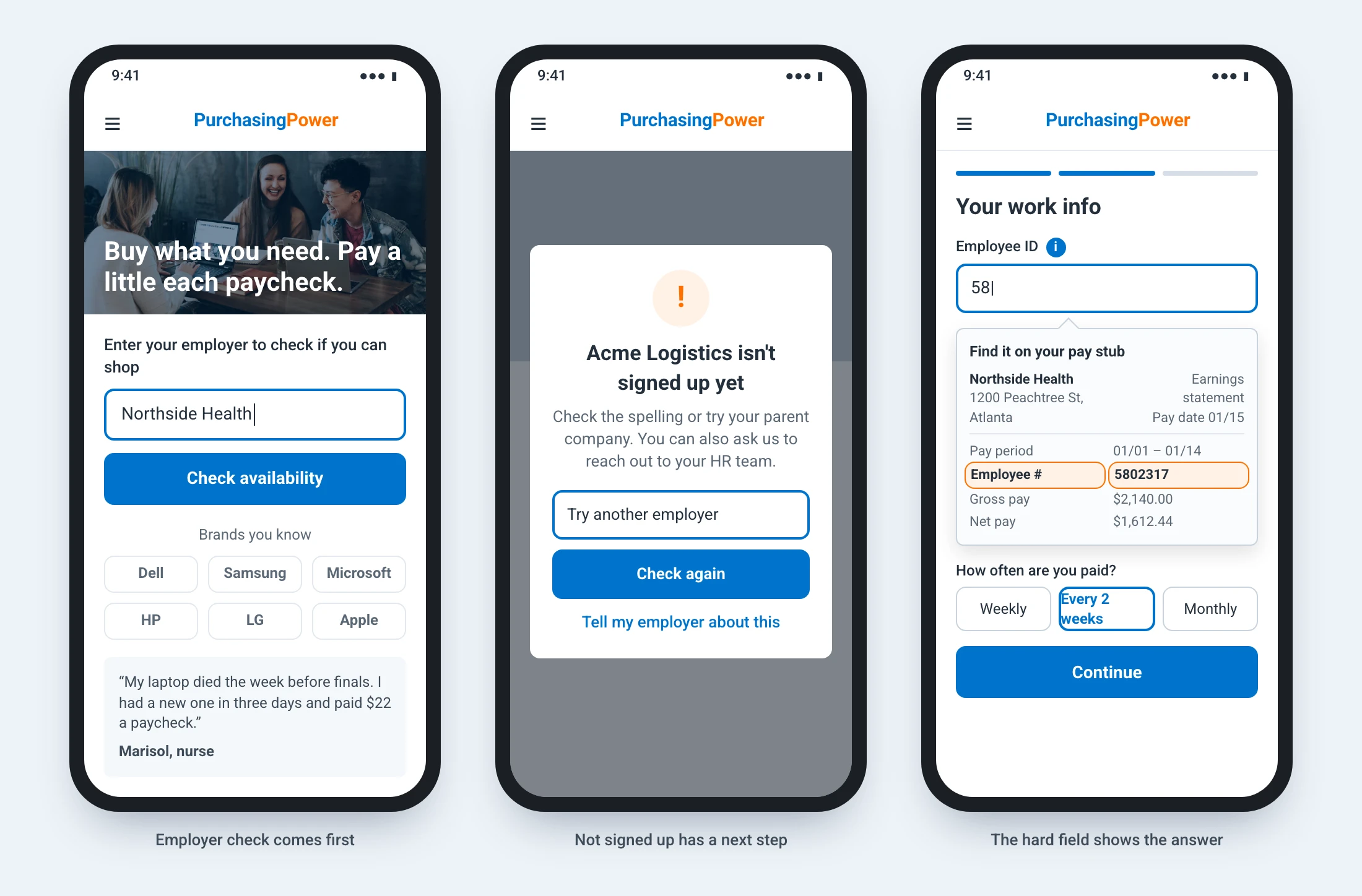
I've spent 25 years making software easier to use, most of it leading design at Slalom for Delta, IHG, Home Depot, Coca-Cola, AT&T, Cox, and Secureworks. Now I design and build my own products too.
The part I like best is the start, when nobody agrees what the thing is yet: talking to the people who'll use it, figuring out what it should actually do, and getting something real in front of them fast. I direct AI coding agents to build what I design, so "something real" can be a working app instead of a picture of one.
Slalom · 2009–202415 years leading design for big clients →